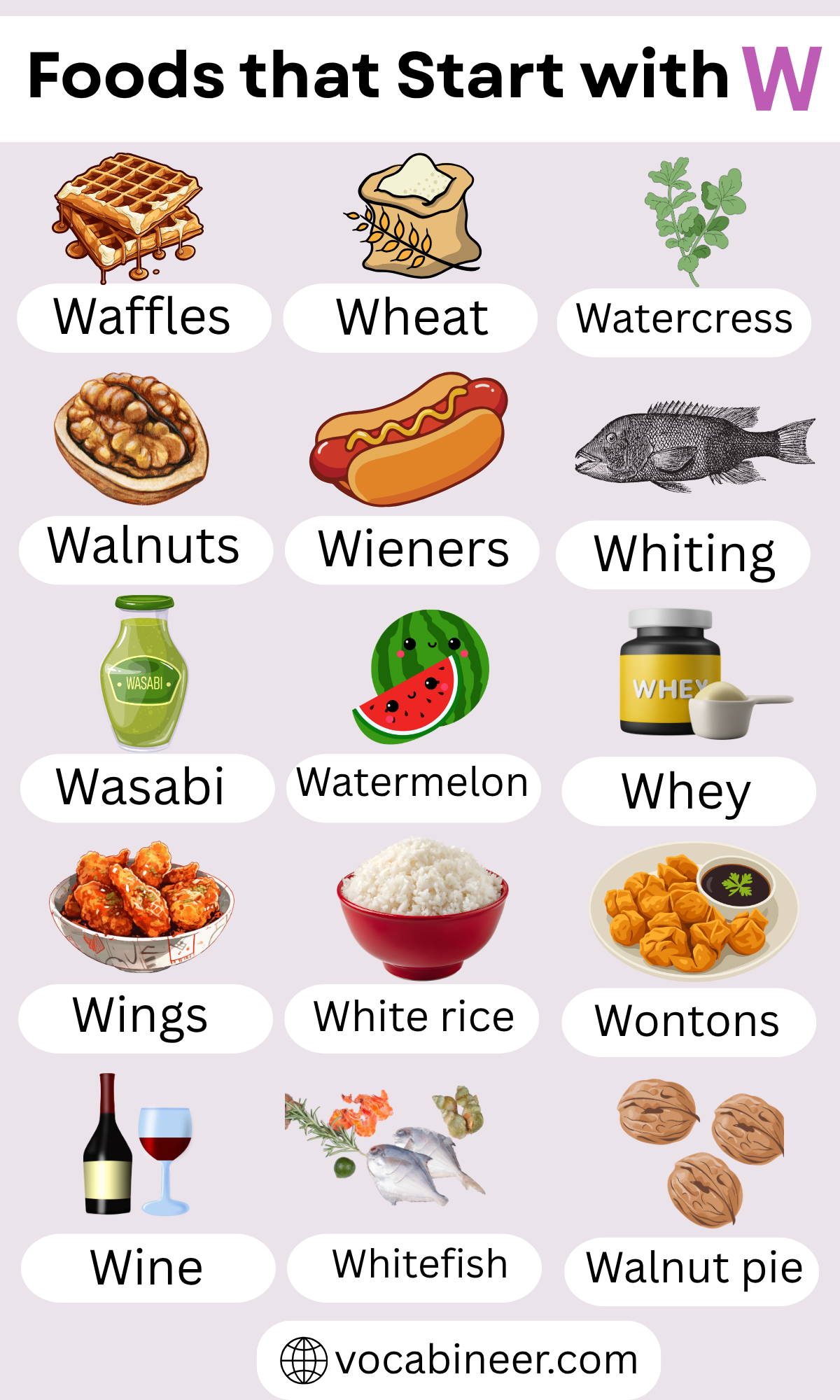
A World of "W"onderful Flavors: Exploring Foods That Start With W
Delving into the alphabet of edibles often reveals a surprising breadth of ingredients and dishes. When it comes to foods that start with W, the culinary landscape is incredibly rich, offering everything from refreshing fruits to hearty vegetables, exotic spices, and gourmet proteins. This exploration is not just a linguistic exercise; it's an invitation to discover new tastes, embrace diverse cuisines, and understand the nutritional power packed into these "W"onderful items. From kitchen staples to international delicacies, the variety is vast, promising something to pique every palate. Whether you're a seasoned chef or an adventurous home cook, understanding the array of options available can significantly expand your culinary repertoire.
The journey through foods that start with W takes us across continents and through various food groups. Think of the crisp hydration of watermelon on a summer day, the pungent kick of wasabi accompanying sushi, or the comforting warmth of a bowl of wonton soup. These examples merely scratch the surface of a category that contributes significantly to global gastronomy. Each food offers unique characteristics, from its texture and flavor profile to its cultural significance and preparation methods. As we delve deeper, you'll discover how these "W" foods can transform everyday meals into extraordinary dining experiences, proving that the letter 'W' truly marks a world of culinary delights.
Wholesome & Healthy: Nutritional Benefits of "W" Foods
Beyond their diverse flavors and culinary versatility, many foods that start with W are powerhouses of nutrition, contributing significantly to a healthy diet. Incorporating these items can boost your intake of essential vitamins, minerals, fiber, and antioxidants, supporting overall well-being. Let's explore some key nutritional benefits:
- Watercress: Often hailed as a superfood, watercress is packed with vitamins K, A, and C, as well as calcium and manganese. Its potent antioxidant content helps combat oxidative stress, while its low-calorie, nutrient-dense profile makes it an excellent addition to salads and sandwiches.
- Walnuts: These brain-shaped nuts are a prime source of omega-3 fatty acids, particularly alpha-linolenic acid (ALA), which is crucial for heart health and brain function. Walnuts also provide antioxidants, fiber, and protein, making them a fantastic snack or addition to baked goods and salads.
- Wheat (Whole Grain): When consumed in its whole grain form, wheat offers substantial dietary fiber, B vitamins (thiamine, riboflavin, niacin, folate), iron, magnesium, and selenium. Whole wheat products like whole wheat bread or pasta can aid digestion, help regulate blood sugar, and provide sustained energy.
- Watermelon: True to its name, watermelon is over 90% water, making it incredibly hydrating. It's also rich in lycopene, a powerful antioxidant linked to heart health and cancer prevention, as well as vitamins A and C.
- Winter Squash: Varieties like butternut, acorn, and spaghetti squash are excellent sources of vitamin A (in the form of beta-carotene), vitamin C, potassium, and dietary fiber. Their natural sweetness and creamy texture make them versatile for roasting, soups, and purees.
- Wild Rice: While botanically a grass seed, wild rice is treated as a grain and is a fantastic source of protein, fiber, and various minerals, including manganese, phosphorus, and zinc. It offers a chewier texture and nutty flavor compared to white rice, providing a more nutrient-dense option.
By integrating these nutrient-rich foods that start with W into your meals, you can effortlessly enhance your diet, support various bodily functions, and enjoy a vibrant array of health benefits. Remember that preparing them in healthy ways, such as steaming, roasting, or eating raw, helps preserve their nutritional value.
Whipping Up "W" Recipes: Culinary Uses and Ideas
The versatility of foods that start with W extends far beyond their individual merits, offering endless possibilities for delicious and creative culinary applications. Whether you're looking to prepare a quick snack, a comforting meal, or an elaborate feast, these ingredients can inspire truly memorable dishes. Here are some practical tips and ideas for incorporating them into your cooking:
- Watermelon Wonders: Don't just eat watermelon plain! Try a refreshing watermelon and feta salad with mint and a drizzle of balsamic glaze. For a unique summer treat, grill thick slices of watermelon for a caramelized flavor, or blend it into a vibrant gazpacho.
- Wasabi's Kick: Beyond sushi, wasabi paste can add an exciting zing to dressings, marinades, or even mashed potatoes. Mix a small amount into mayonnaise for a spicy sandwich spread, or whisk it into a vinaigrette for a bold salad dressing.
- Water Chestnuts for Crunch: These aquatic vegetables retain their crisp texture even when cooked, making them perfect for stir-fries, spring rolls, and various Asian salads. Slice them thin and add to your next chicken salad for an unexpected crunch.
- Worcestershire Sauce Versatility: A staple in many kitchens, Worcestershire sauce adds a savory, umami depth to countless dishes. Use it in marinades for meats, as a secret ingredient in chili or stew, or to elevate your Caesar dressing. It's also fantastic in a Bloody Mary!
- Wonton Creations: These delicate dumplings are incredibly versatile. Fill them with seasoned pork, shrimp, or vegetables, then boil them for a comforting soup, steam them as an appetizer, or deep-fry them for a crispy snack. The possibilities for fillings are endless!
- Wild Mushroom Magic: Various wild mushrooms, such as wood ear or wine cap, can add incredible depth and texture. Sauté them with garlic and herbs for a simple side dish, incorporate them into risottos or pasta sauces, or use them as a filling for tarts and quiches.
- Walleye Delights: This freshwater fish is known for its mild flavor and firm, flaky texture. It's excellent pan-fried with a simple breading, baked with herbs and lemon, or grilled. Its subtle taste makes it a perfect canvas for various seasonings.
Don't be afraid to experiment with these ingredients. Many foods that start with W lend themselves to fusion cuisine, allowing you to blend traditional flavors with innovative techniques. For even more inspiration and exciting new ways to use these ingredients, be sure to check out foods that start with w - Article 2 for additional recipe ideas and ingredient spotlights.
Beyond the Obvious: Unique and Global "W" Foods
While some "W" foods like watermelon and walnuts are widely recognized, the category also includes an array of less common or regionally specific items that offer unique flavors and culinary experiences. Exploring these can broaden your palate and introduce you to new cultural traditions and gastronomic delights.
- Wax Gourd (Winter Melon): A staple in Asian cuisine, wax gourd has a mild, slightly sweet flavor and a tender texture when cooked. It's commonly used in soups and stews, particularly in Chinese winter melon soup, where it slowly simmers to absorb the flavors of the broth. It can also be candied or stir-fried.
- Wolfberry (Goji Berry): Hailing from Asia, these vibrant red berries are celebrated for their superfood status. They have a subtly sweet and tangy flavor, often dried and added to trail mixes, oatmeal, smoothies, or steeped in teas. They are rich in antioxidants and vitamins.
- White Sapote: This creamy, subtropical fruit, native to Central America, has a unique custardy texture and a flavor reminiscent of a blend of pear, banana, and vanilla. It's best enjoyed fresh, chilled, or blended into smoothies and desserts.
- Wagyu Beef: Originating from Japan, Wagyu is renowned worldwide for its intense marbling, which gives it an incredibly tender texture and rich, buttery flavor. It's a premium meat often enjoyed as steaks, in shabu-shabu, or grilled to perfection to savor its exquisite qualities.
- Wiener Schnitzel: A classic Austrian dish, Wiener Schnitzel consists of a thin slice of veal, pounded flat, breaded, and pan-fried until golden brown and crispy. It's typically served with lemon wedges and often accompanied by potato salad or lingonberry jam.
- Welsh Rarebit: This savory British dish is essentially a hot cheese sauce, often flavored with ale, mustard, and Worcestershire sauce, served poured over toasted bread. It's a comforting and hearty meal, far more sophisticated than a simple cheese on toast.
- Wheat Berries: These are whole, unprocessed wheat kernels that retain their bran, germ, and endosperm. When cooked, they have a chewy texture and nutty flavor, making them excellent additions to salads, grain bowls, soups, or as a wholesome side dish.
Discovering these less common foods that start with W opens up a world of culinary adventure. Each item tells a story of its origin, traditional uses, and unique contribution to the global table. Don't hesitate to seek them out in international markets or specialized grocery stores to expand your culinary horizons.
Conclusion
From the refreshingly sweet watermelon to the intensely savory Wagyu beef, and the humble yet powerful watercress, the spectrum of foods that start with W is undeniably vast and varied. This exploration has revealed not only the sheer number of options but also the incredible nutritional benefits and versatile culinary applications these ingredients offer. Whether you're seeking to enhance your health with nutrient-dense options, inject new flavors into your everyday cooking, or embark on a global gastronomic adventure, the world of "W" foods provides endless possibilities.
We encourage you to experiment, step out of your culinary comfort zone, and embrace the diversity that these foods bring to the table. By incorporating a wider array of ingredients, you not only enrich your diet but also expand your palate and appreciation for the intricate tapestry of global cuisine. So, go forth and explore the wonderful world of "W" foods – your taste buds will thank you!
